Light and Shade: Jessie Brady and Shona Taylor
Take 10s August 2026

At Amplified, Lighting Software Specialist Jessie Brady and Shading System Designer Shona Taylor have spent more than a decade working in tandem to create elegantly integrated environments where natural light and layered technology work in perfect harmony. Collaborating closely with architects, builders, interior designers, and homeowners, they help deliver a seamless experience from concept to completion.
“The best moments are when clients walk into a finished home and say, ‘It just feels right,'” says Jessie. “They may never notice all the coordination behind the scenes, but that’s exactly the point.” She and Shona ensure every project is as intuitive and effortless as it is beautiful.
AL: You’ve been colleagues for more than a decade. Looking back, what have been some of the highlights of working together, and how has your collaboration evolved over the years?
Shona: Honestly, the biggest highlight isn’t a single project; it’s watching our process get tighter every year. Early on, we’d finish a job and find two or three things we wished we’d coordinated on sooner. Now those conversations happen automatically, before either of us even opens a design program. We used to hand off work almost sequentially; I’d finish the shade design, then Jessie would build the automation around it. Now we’re in the same conversation from day one, which changes everything. The collaboration has evolved from “two specialists on the same job” to something closer to one integrated system with two sets of expertise behind it.
Jessie: Totally agree; watching our collaboration become more intuitive over time has been rewarding. Early on, we were focused on coordinating our individual scopes. Today, we approach projects as one integrated system. We understand how each other’s decisions affect the overall experience, so we have many conversations before a drawing is ever finalized. Over the years, we’ve worked on everything from new construction to complex renovations, and each project has reinforced the value of collaboration. The best moments are when clients walk into a finished home and say, “It just feels right.” They may never notice all the coordination behind the scenes, but that’s exactly the point.
AL: A Lighting Software Specialist and a Shading System Designer each bring unique expertise to a project. How do your roles complement one another, and what does your collaboration typically look like from concept through completion?
Shona: My focus is the shading itself. Assisting clients in figuring out what function the shades are to serve in each room, making choices on what kinds of shades would look best for each area, making fabric selections, motor and track specifications, and how the shades interact with the overall aesthetic and the architecture. Jessie’s world is how that shade behaves as part of a living system; when it moves, what triggers it, how it talks to the lights and the rest of the home.
Jessie: Lighting and shading are really two parts of the same conversation. One manages daylight, the other manages electric light. Together, they shape how a home feels throughout the day. My role focuses on how lighting is programmed, controlled, and experienced by the homeowner. Shona ensures that natural light is being managed appropriately before electric lighting ever needs to compensate. From the earliest design meetings, we’re discussing window orientation, room function, fixture selection, control strategies, and homeowner lifestyle. As the project progresses, those conversations evolve into programming, scene development, and final commissioning. By the end, the homeowner experiences one seamless system rather than separate technologies.
AL: When is the ideal time to bring the lighting specialist and shading designer into a project? Why is early involvement so important?
Jessie: As early as possible—ideally while the architectural plans are still evolving. Many of the best opportunities disappear once construction documents are complete. Early involvement allows us to coordinate wiring infrastructure, low-voltage pathways, keypad locations, window treatments, fixture selection, and control strategies, so they’re planned in from the start rather than patched in later.
Shona: Once building starts, we’re reacting instead of designing. Getting in early means we can actually influence header details, recessed side channels, and pocket depths. These are the factors that determine whether a shading and lighting system integrates beautifully and looks intentional, or is forced into an awkward retrofit. Early collaboration allows us to support the architect’s vision rather than reacting to it later.
AL: Amplified projects are highly collaborative. How do you coordinate with architects, builders, interior designers, and the rest of the Amplified team to ensure a seamless result?
Shona: Communication is constant, not just at milestones. We’re in regular meetings with each other and architects on client expectations and structural details, with builders on rough-in timing, and with interior designers on finishes and fabric selections that need to work with the room’s palette. We sometimes have to function as translators as much as we do as technicians. An interior designer might have a strong opinion on aesthetics that has real implications for automation, so part of our job is explaining the “why” behind a technical constraint in a way that keeps everyone’s priorities intact.
Jessie: Everyone brings a different perspective, and our role is to help connect those perspectives. Architects are thinking about form and space. Interior designers are considering materials, finishes, and furnishings. Builders are focused on execution. Our responsibility is making sure the technology quietly supports all of those goals. Communication is everything. We spend a lot of time asking questions, reviewing plans together, identifying potential conflicts early, and ensuring everyone understands how individual decisions affect the final experience. The goal is for the technology to disappear into the architecture.
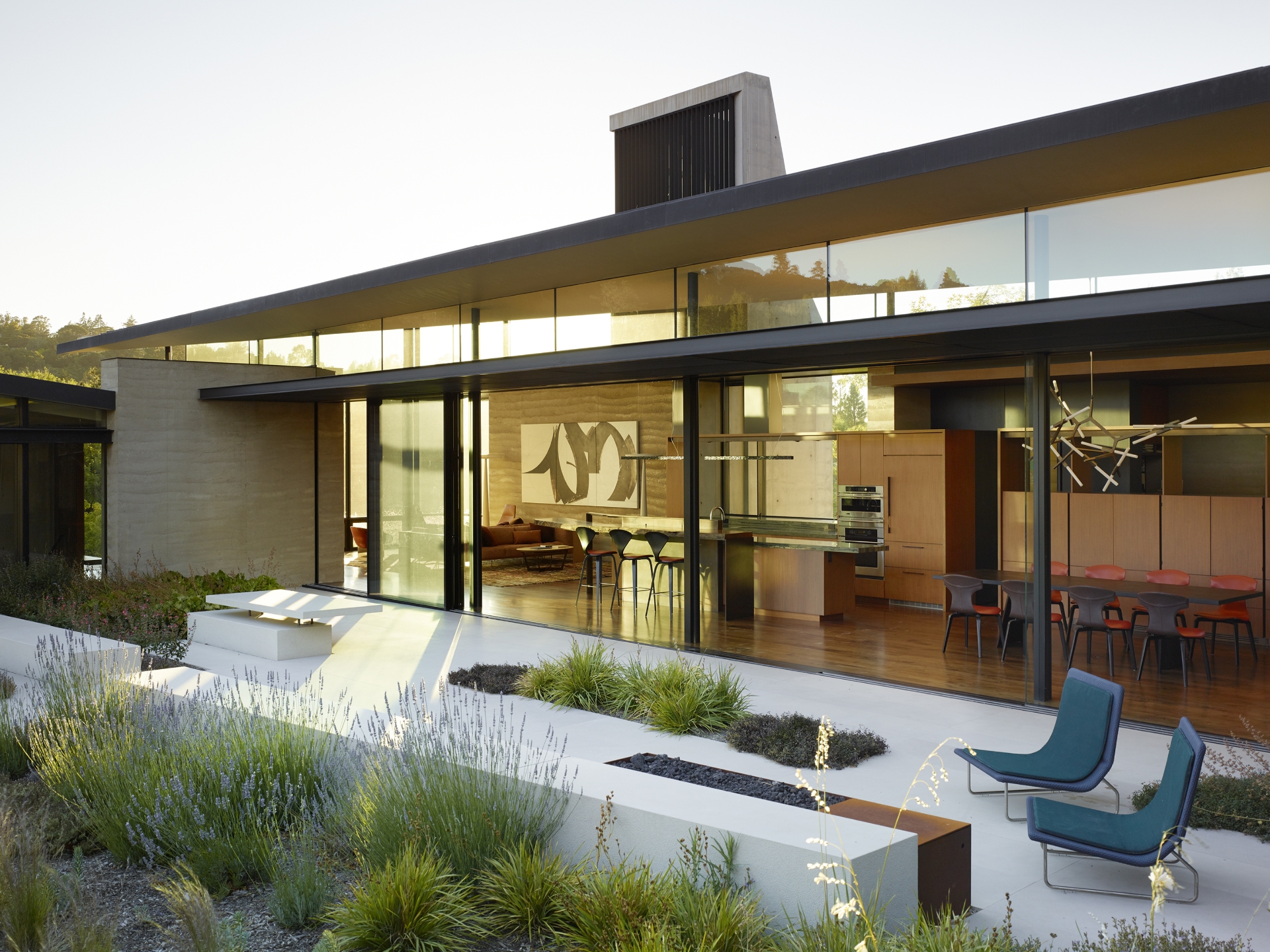
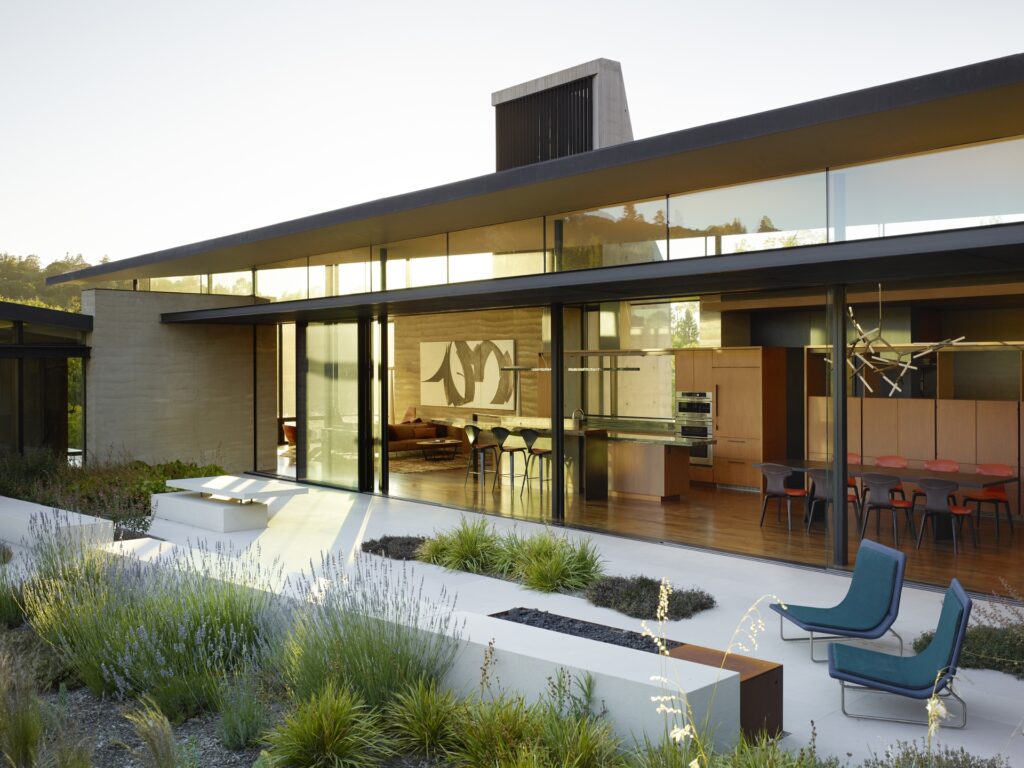
AL: How does building orientation influence your design decisions? Can you explain why understanding the sun’s path is so critical when designing lighting and automated shading systems?
Jessie: The sun changes constantly throughout the day and throughout the year. A west-facing room behaves very differently than a north-facing room. For lighting and automation, the sun’s path tells me when shades need to move and how electric light needs to respond. A room that’s flooded with afternoon sun in July needs a very different automated response than that same room in December. Understanding solar orientation helps us anticipate glare, heat gain, changing daylight levels, and how occupants will actually use each space. That information influences everything from shade fabric selection to automation schedules and even lighting scene design. Rather than reacting to changing conditions, we’re designing systems that respond automatically and naturally.
Shona: Orientation is really the starting point for shading design. We’re looking at solar studies, seasonal sun angles, and how light moves through space, but we’re also keeping the view outside in mind. Some of the homes we work on have breathtaking views intended as focal points, so we take that into account when making recommendations.
AL: One of the goals of great design is creating harmony between daylight and electric light. How do you balance natural and artificial light to achieve beautiful, functional spaces throughout the day?
Jessie: Natural light should always be the starting point. Our goal isn’t to replace daylight with electric lighting—it’s to support it. Automated shades help soften harsh sunlight, and carefully programmed lighting gradually complements available daylight as conditions change. Ideally, the homeowner never notices the transition. The space feels comfortable whether it’s sunrise, midday, sunset, or evening. When it’s done well, most people never even think about it; they notice the room always feels right.
Shona: Shade design needs to account for exactly how much daylight to let in or filter at different times, and Jessie’s programming has to know how to layer in electric light to fill any remaining gap. It’s a constant back-and-forth of “what’s the shade doing here” and “what’s the light doing to compensate.” And of course we need to factor in privacy concerns as well, especially in bedrooms and bathrooms. In the evening, when it’s bright indoors and dark outside, we need to make sure our clients aren’t living in a fishbowl for all to see.
AL: Glare can dramatically affect comfort and usability. How does each of your disciplines contribute to glare management, and what are some common challenges you solve together?
Shona: On the shading side, glare control comes down to fabric openness, placement, and planning for recessed blackout side channels. We tend to go for a full blackout effect for primary bedrooms and home theaters. One of the benefits of bringing us in early is that planning for the materials that make a room completely blacked out allows us to make it seamless and practically invisible.
Jessie: Automated shading addresses direct sunlight before it becomes a problem, while lighting design ensures that artificial light is layered appropriately, avoiding harsh contrasts or excessive brightness.
Together we’re solving problems like reflections on televisions, uncomfortable workspaces, faded furnishings, and spaces that feel visually fatiguing. Good glare control is one of those things homeowners often don’t notice because they’re simply comfortable.
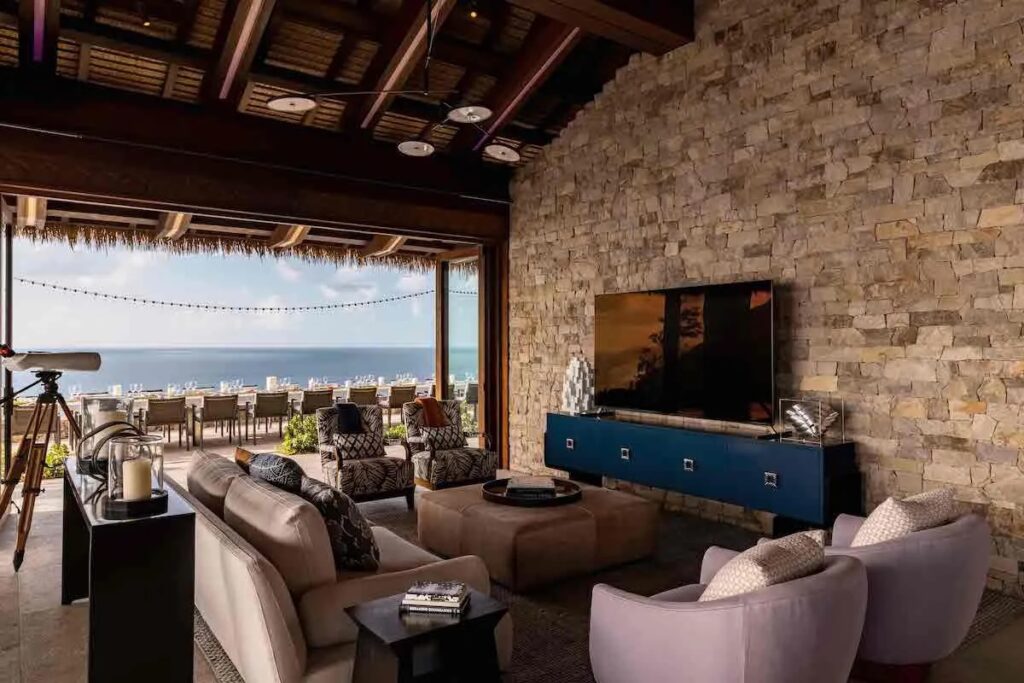
AL: Today’s homeowners are increasingly interested in wellness. How do thoughtful lighting and shading design contribute to health, comfort, productivity, and overall well-being?
Shona: Circadian-friendly lighting is a big piece of this — light that shifts in tone and intensity to support natural rhythms rather than working against them. And shading plays directly into that. Controlling daylight exposure isn’t just about comfort or glare — it affects sleep quality, focus, mood, and more. A well-designed system gives people the daylight connection when they want it and relief from it when they don’t, without them having to manage it manually
Jessie: Ultimately, we’re designing environments that support how people actually live and work, not just how a room looks. People spend most of their lives indoors, so the quality of light has a tremendous influence on how they feel. Access to daylight, reduced glare, appropriate lighting levels, and lighting that changes naturally throughout the day all contribute to comfort and support healthy daily rhythms. Thoughtful lighting and shading also reduce stress in subtle ways. Homeowners don’t have to constantly adjust blinds or think about which lights to turn on. The environment adapts to them, allowing them to focus on living rather than managing their home.
AL: Do you share a common design philosophy? Where do your approaches naturally align, and where do your perspectives differ in ways that ultimately strengthen the project?
Jessie: We’re both firm believers that the best technology is invisible, that the best technology is the technology you don’t even notice. The homeowner should feel the result, not the system. Where we differ a little is in how we get there. I tend to think in terms of scenes and behavior over time. I’m more of a systems thinker.
Shona: And I tend to think more physically, focusing on fabrics, materials, mechanics, hardware footprints, how something actually performs in a space. Honestly, that difference is useful. Where we differ is often in perspective. One of us may focus on maximizing daylight while the other considers scene programming, control interfaces, or nighttime ambiance. Those different viewpoints lead to better conversations and ultimately better solutions because every decision is evaluated from multiple angles. Our shared philosophy is that lighting and shading should enhance architecture, not compete with it. Every decision should support comfort, simplicity, and the homeowner’s experience.
AL: Technology continues to evolve rapidly. What innovations in intelligent lighting and automated shading are you most excited about, and how do they improve the homeowner’s experience?
Shona: I’m excited about systems getting smarter about responding to real-time conditions; weather, actual sun position, occupancy, rather than relying purely on fixed schedules. On the shading side, I’m seeing continued improvements in motor quietness, battery and power efficiency, and fabric technology that manages heat and glare more precisely.
Jessie: The biggest innovation isn’t necessarily adding more features; it’s making systems feel more intuitive. Today’s lighting and shading systems are becoming increasingly responsive to occupancy, daylight conditions, time of day, and homeowner preferences. Dynamic white lighting, more sophisticated daylight integration, and smarter automation allow homes to feel more comfortable while requiring less interaction. What excites me most is that technology is becoming quieter. Instead of asking homeowners to manage dozens of settings, the home responds appropriately in the background. That’s where intelligent design really shines, not by showcasing technology, but by making daily life feel effortless.