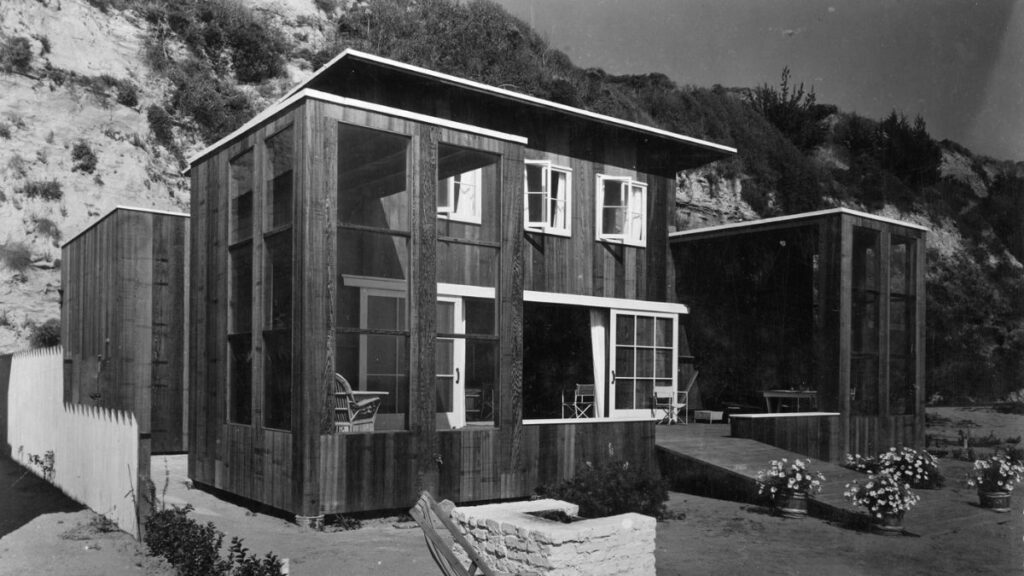
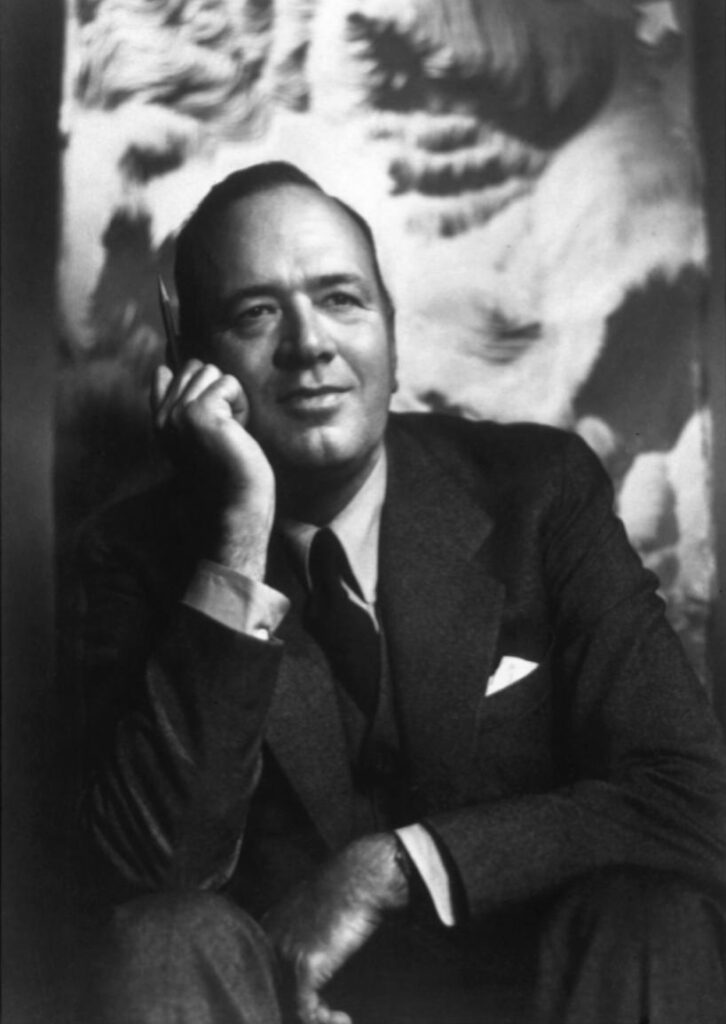
When San Francisco architect Stephen Sutro was asked to name his favorite legendary Bay Area architect, he didn’t hesitate: William Wurster.
Born in Stockton in 1895, Wurster helped define the Bay Region Style rather than replicate the International Style emerging from Europe. He championed a distinctly Californian modernism defined by climate and lifestyle — emphasizing indoor–outdoor living, cross-ventilation, shaded porches, and an easy relationship to the landscape.
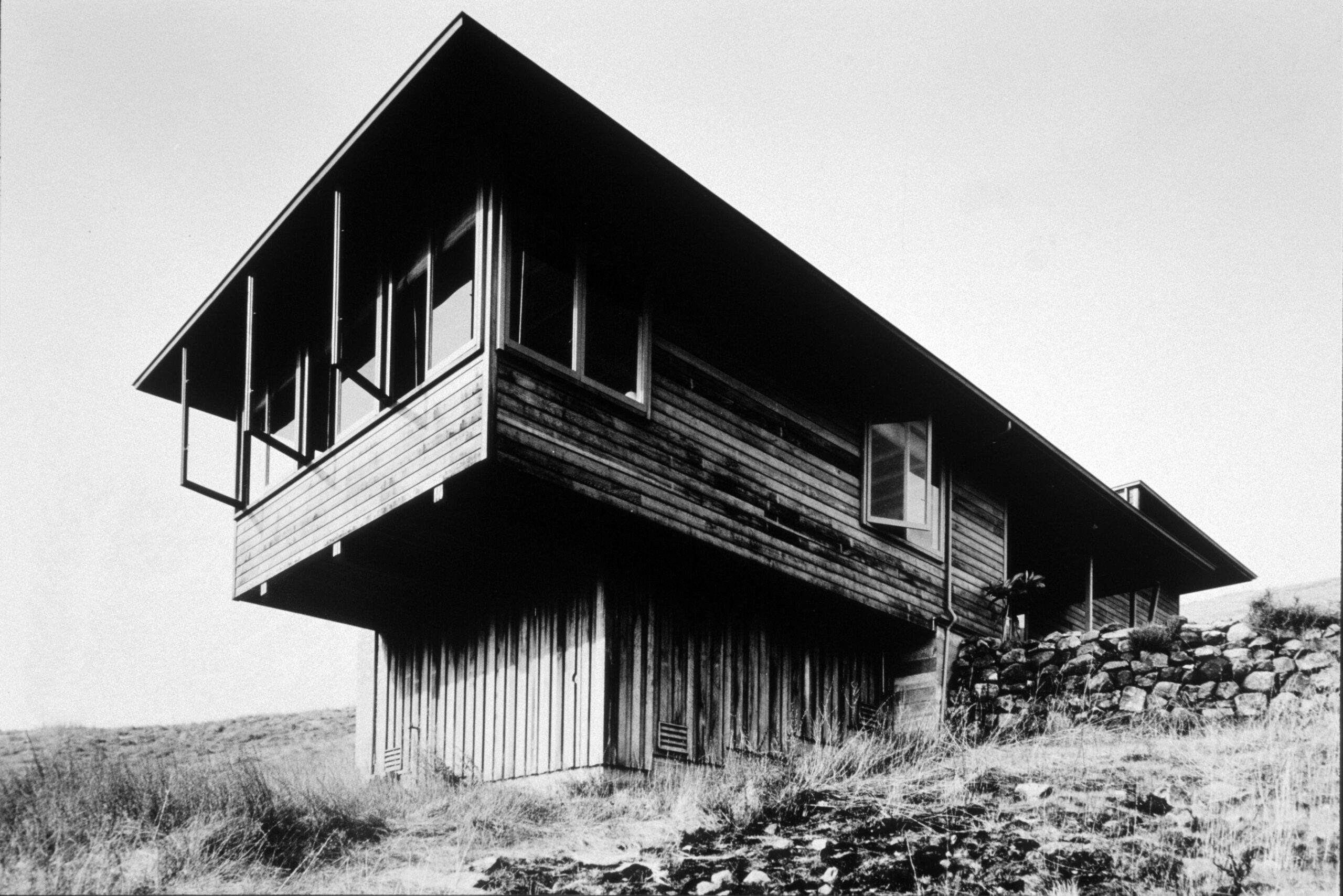
Rather than importing materials or imposing abstract forms, Wurster worked with local redwood, wood siding, and brick, carefully integrating his buildings within their surroundings. Responding to the Western way of life, he designed informal, comfortable spaces that were modern yet regional — warm, intuitive, and deeply human-centered.
Along with Stephen Sutro, Amplified Lifestyles admires how Wurster made Modernism truly livable. His work combined practical floor plans, flexible open interiors, abundant natural light, and natural airflow — all grounded in an emphasis on comfortable domestic life. His homes were modern without feeling radical or alien. They felt natural.
Wurster helped normalize modern design for middle- and upper-class residential clients, transforming it into something people could inhabit with ease rather than simply admire. In many ways, he softened Modernism — making it more regional, humane, and environmentally responsive long before “sustainability” became a formal concept. By bridging the Arts & Crafts traditions of Bernard Maybeck and the International Modernism of architects like Richard Neutra, he created a meaningful transition between the two and influenced later environmental and contextual design movements.
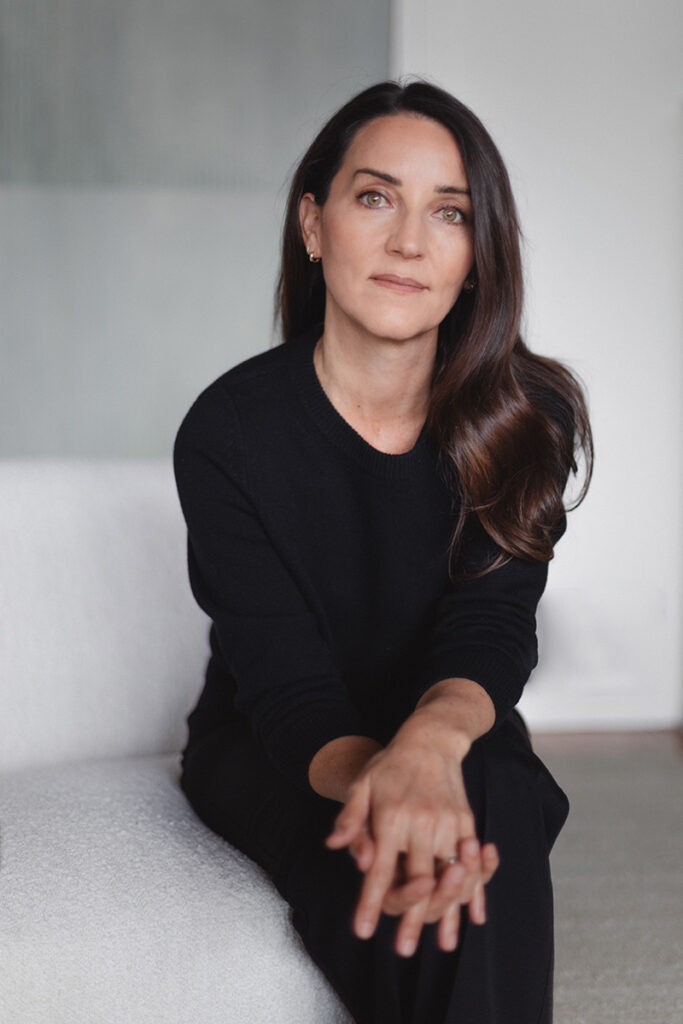
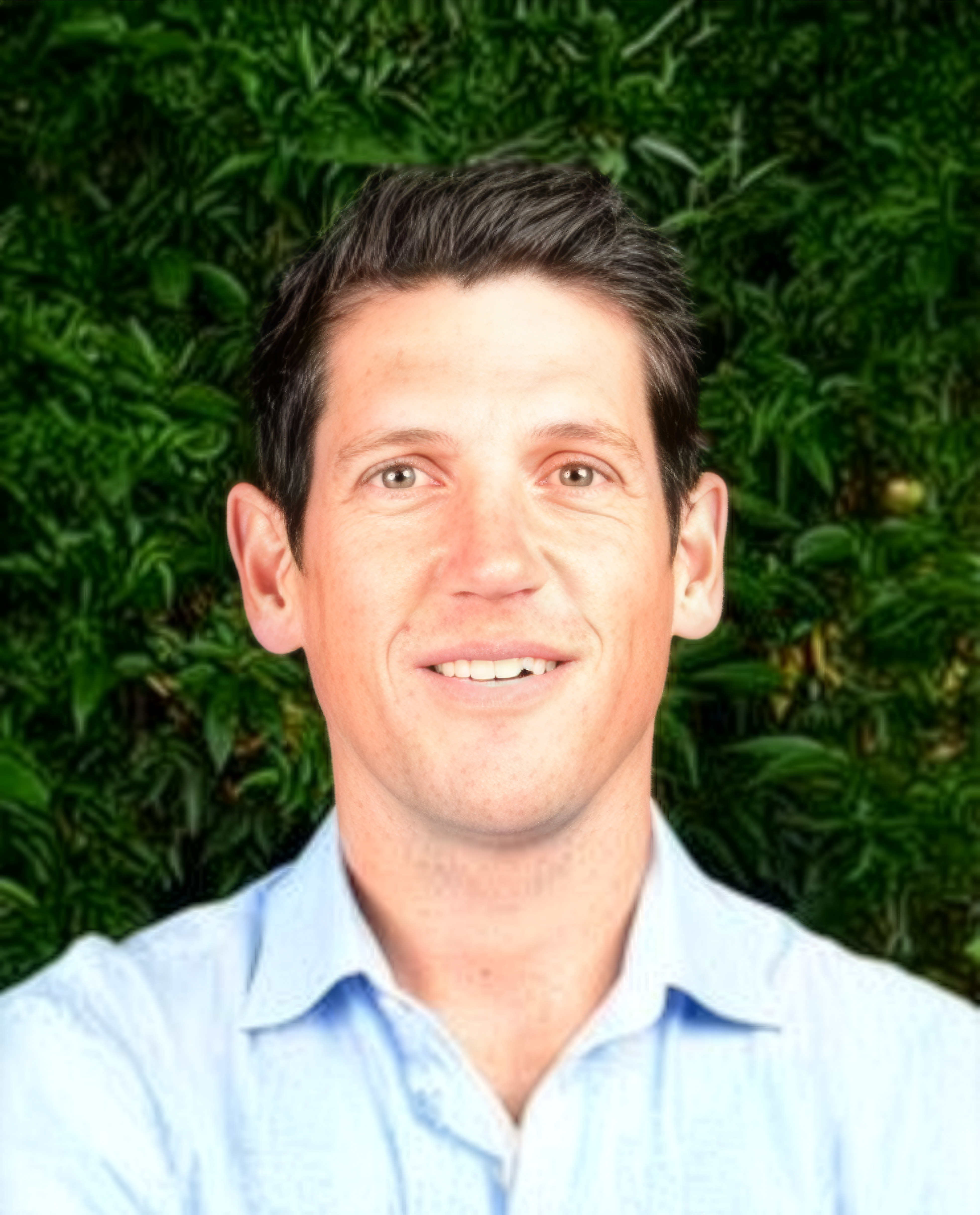
Amplified Lifestyles welcomes Bay Area interior designer Mead Quin to our Collaborator Profile series. After working for Martha Angus and Grant K. Gibson, Mead opened her eponymous company in 2013. She and her team craft poetic interiors reflecting her artistic background and a nomadic childhood that ranged from the American South to France and North Africa. Along with overseeing her studio in Emeryville, Mead’s firm hosts an annual Whiskey & Wellness event that brings together members of the design, architecture, and building communities with purveyors of food, drink, and well-being to celebrate friendship and collaboration.
AL: Before becoming a designer, you were a professional portrait painter. How has that influenced your interiors?
MQ: Portrait painting requires a deep attunement to personality. Without truly knowing the subject, who they are beyond what they look like, the portrait can fall flat and lack authenticity. The same is true in design. If we’re not paying close attention to the unique qualities of the humans we’re designing for, the homes we create can miss that essential layer… the thing that makes a house feel, unmistakably theirs.
AL: The world of portraiture is myopic, while design requires a wider gaze. Was that a transition for you?
MQ: A room is very much like a canvas in my mind. Thinking through composition, color, form, texture, and balance is similar to how I approached two-dimensional portraiture. There’s a dance between the overall composition and the finer, nitty-gritty details that bring the work to life in service of the bigger picture. Designing a room works the same way. You begin with the broad vision, but it’s the attention to detail, nuance, care, and precision that ultimately bring the dream into focus.
AL: You grew up with the traditional aesthetics of the Southeast. How have you combined that with living in the more contemporary Northwest?
MQ: I spent much of my early childhood in the Southeast, but we traveled quite a bit when I was young. My parents were missionaries, and we lived in France and North Africa for much of my childhood. Those formative experiences expanded my understanding of how people live, and how deeply place shapes what “home” means to each of us.
We also spent holidays with my grandparents in Montgomery, Alabama, the deep South, which informed my love for things that age gracefully. Their home, while old, was a layered collection of places they had traveled. They invested in furnishings that patinaed beautifully and somehow felt better with each passing year. I especially loved their antique rugs and still enjoy incorporating them into our projects when clients are open to it.
AL: As a creative, how do you incorporate home technology into your projects?
MQ: As much or as little as a client wants, but always with the intention that it recedes as much as possible (wink, wink). We’re all deeply connected to technology, whether we like it or not. Creating spaces that allow us to disengage, to give our minds and bodies a break, feels more important than ever. Our goal is for technology to quietly support wellbeing and life goals rather than dominate the experience. I say this, of course, while typing on a computer connected to the worldwide web – it’s a constant balancing act.
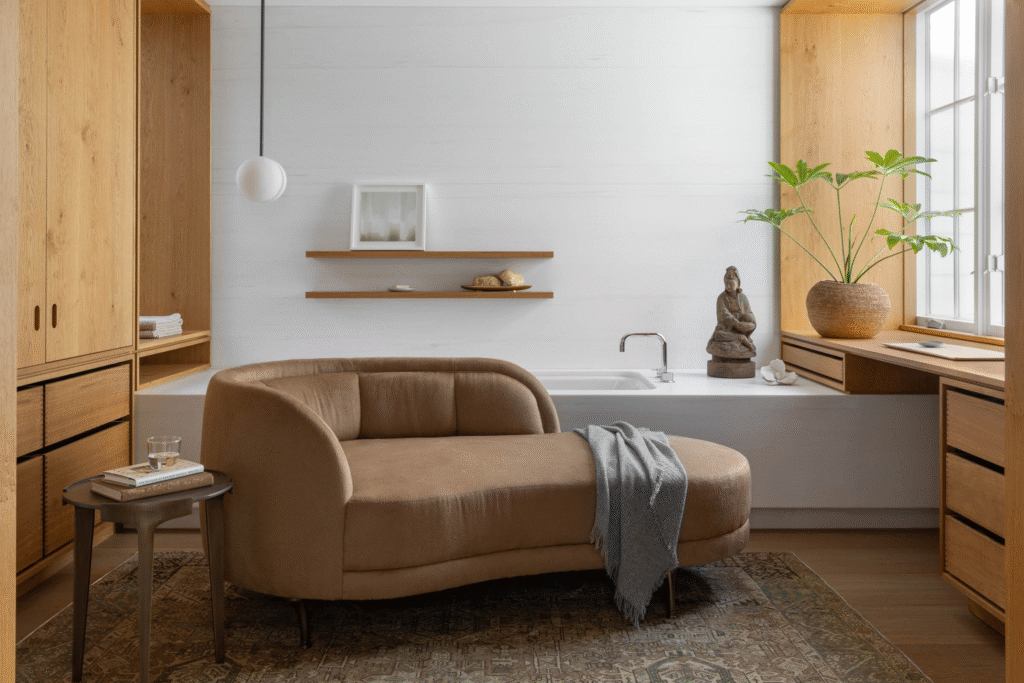
AL: What was the genesis of your annual Whiskey & Wellness event?
MQ: We wanted to create an event that celebrated our community while also reflecting what we care deeply about… that our work should genuinely make people’s lives better, and that design can be a powerful support for wellbeing. We also wanted it to be fun, relaxed, and a chance to truly enjoy one another’s company. Hence, the whiskey. It’s my favorite spirit, and Whiskey & Wellness had a nice ring to it. It’s become our annual love letter to a community we adore, and one of my favorite nights of the year.
AL: What is your dream project?
MQ: Anything by the ocean – my happy place. There’s something about the vastness, the calming horizon line, the salty air, and the rhythmic sound of waves that immediately soothes my nervous system. The restrained, minimalist palette of coastal environments resonates deeply with me. I can hear a seagull and feel my blood pressure drop.
AL: What are your favorite aspects of living in the culturally diverse East Bay?
MQ: The East Bay has an incredible openness – culturally, creatively, and intellectually. There’s a deep appreciation for art, craftsmanship, food, nature, and ideas, all coexisting in a very unpretentious way. I love the mix of old and new, the diversity of voices and histories, and the strong sense of community. It feels grounded and expansive at the same time, which mirrors how we aspire to live and work.
AL: When not creating beautiful homes, what are your favorite activities?
MQ: The thing that fills my cup more than anything else is unstructured, quality time with the people I love. I’m happiest when there’s nowhere else to be and nothing specific to accomplish… just being together. Lately, a lot of that joy also comes from time spent with our new puppy, Gus, who has a remarkable ability to make me slow down and be present.

Amplified Lifestyles collaborates with the top builders in the Bay Area, who bring us on board at the beginning of a project. One of these is Lencioni Construction in San Carlos. Founded by Gary Lencioni in 1980 and specializing in custom new homes, it is now led by his son, Chad Lencioni, the second generation. Chad learned the trade from the ground up and is committed to craftsmanship, an integrated process, and transparent communication. Their projects range from an award-winning 7,000-square-foot modern masterpiece in Portola Valley to a 4,000-square-foot Georgian-style cottage in the Los Altos Hills.
AL: What was it like growing up in the building industry?
CL: My parents started the business from our home, so it was always around me. After my father graduated from San Jose State University in 1970 with a degree in aeronautical engineering, he found that there were no job opportunities in that field because the industry was facing a severe recession. He switched to construction, and my mother handled the books. My summers were spent working on sites, cleaning, setting up, and assisting. It taught me the value of hard work.
AL: What was it like leaving the Bay Area to attend college at the University of Colorado Boulder?
CL: I loved Boulder, with its natural beauty, outdoor activities, and the University. It was the right balance of academics and recreation; I hope my two sons will go there. I studied business, which I enjoyed because I’m good at math, and I thought it would be a good career choice.
AL: After college, did you go straight to work for Lencioni Construction?
CL: No, after I graduated, I went to work for Morgan Stanley in Boulder. When I returned to the Bay Area and started working at a tech company, I decided that being in an office full of cubicles was not for me. Since I loved the outdoors and landscaping, my father connected me with some landscape architects and eventually asked me to join Lencioni Construction. I learned the trade like anyone else in the company, starting as a laborer who carried materials on site, becoming a carpenter, and eventually progressing to project manager. As President and CEO, I bring those experiences to the firm.
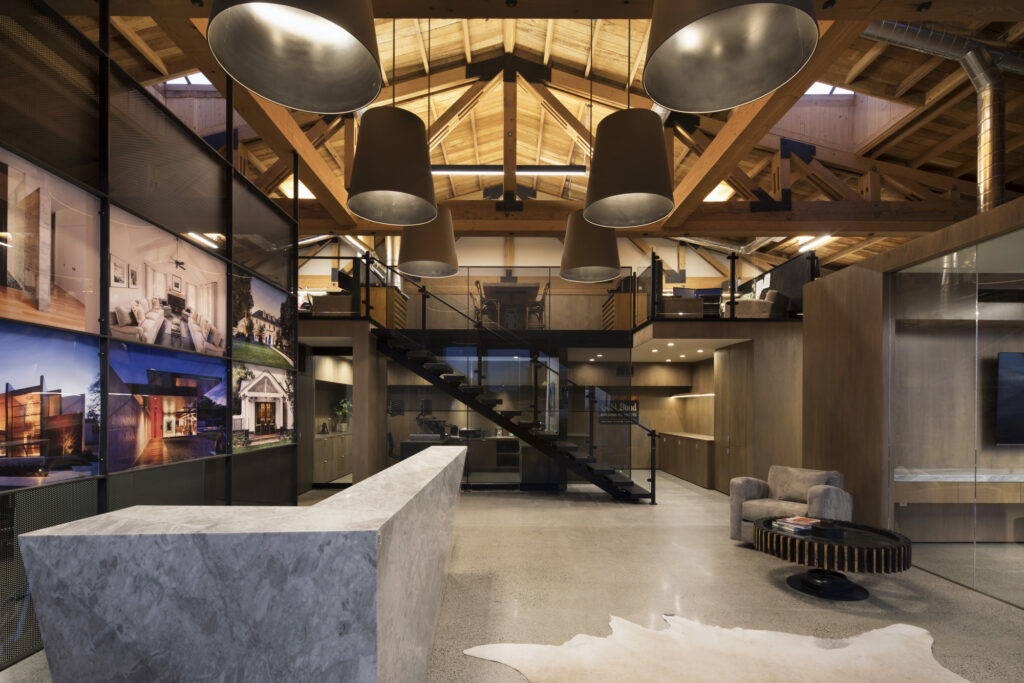
AL: For your San Carlos office, you collaborated with Feldman Architecture. What were the origins of the industrial yet modern design?
CL: The building lent itself to a modern, sleek design, with its exposed concrete floors, wood trusses, and ceilings, which we carefully restored and refurbished. Now it’s a great place to meet with homeowners, architects, and collaborators.
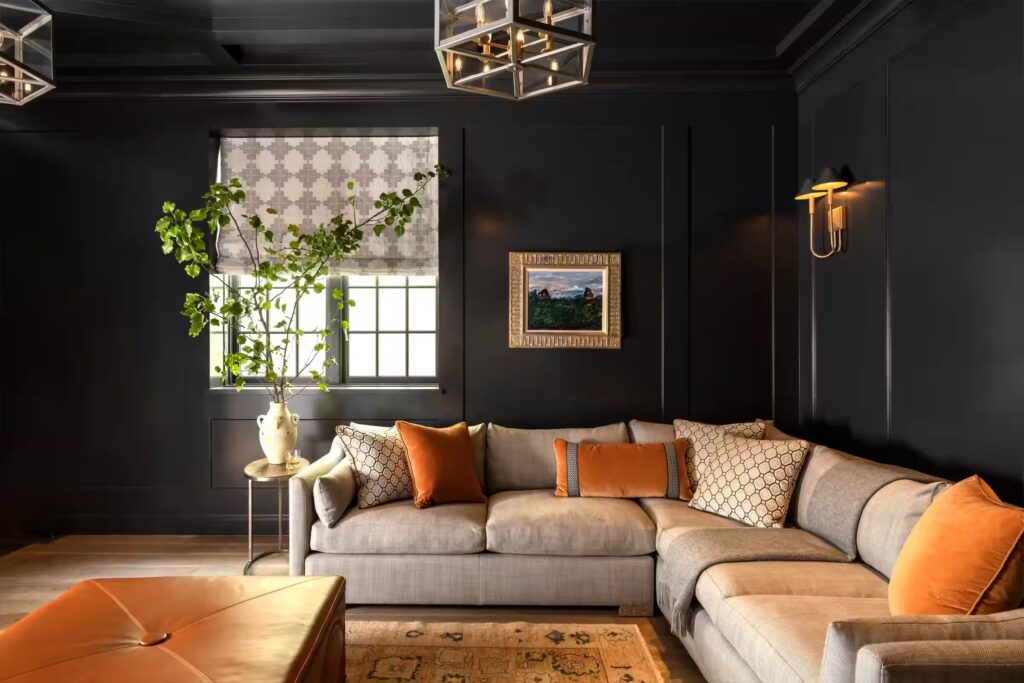
AL: Your projects vary from building a Georgian-style cottage with Skurman Architects and Tucker & Marks to a modern home by architect Robert Swatt. Do you have a favorite vernacular architecture?
CL: Yes, we build it all, and I love the creativity of working on a modern, cutting-edge design from the ground up. However, I also appreciate homes that have a sense of age and history.
AL: As a builder, how do you incorporate technology, such as home electronics, into your work?
CL: It is essential to bring a systems integrator like Amplified into the process from the beginning. When we start a residential project, we make that recommendation and introduction right away, ensuring the home automation, home theater, smart lighting, and motorized shades integrate seamlessly into the architecture and design. We appreciate Amplified’s solution-oriented approach and excellent customer service.
AL: How would you define your work in three words?
CL: I will give you four. “That was worth it.” We want the homeowner, the architect, and the other collaborators to feel like all of the hard work was worth it when the project is completed.
AL: What do you enjoy doing when you are not building?
CL: My family and I recently moved from the Peninsula to Murphys in the foothills of the Sierra Nevada mountains, where we enjoy off-road motorcycles, mountain biking, and skiing.