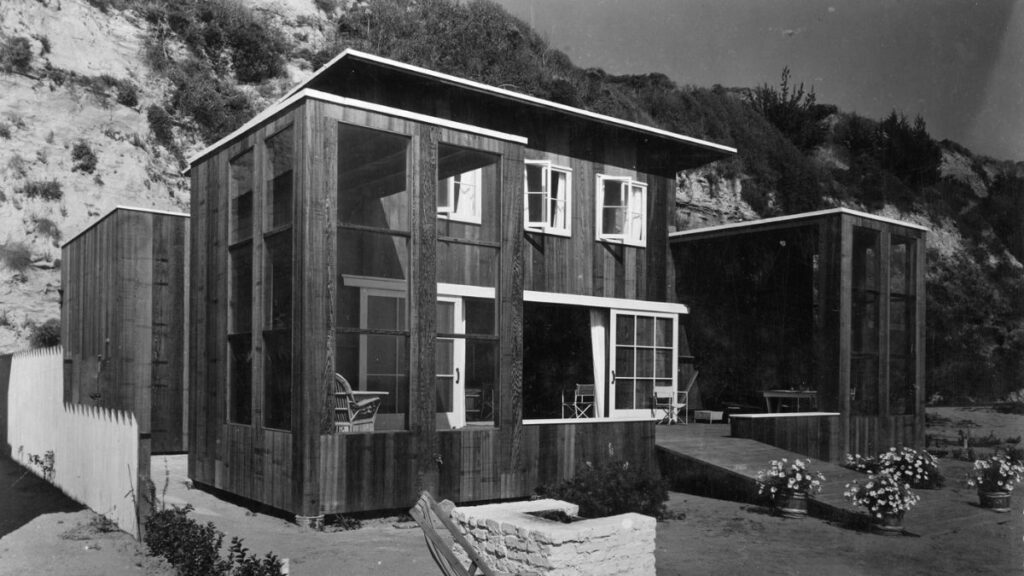
When San Francisco architect Stephen Sutro was asked to name his favorite legendary Bay Area architect, he didn’t hesitate: William Wurster.
Born in Stockton in 1895, Wurster helped define the Bay Region Style rather than replicate the International Style emerging from Europe. He championed a distinctly Californian modernism defined by climate and lifestyle — emphasizing indoor–outdoor living, cross-ventilation, shaded porches, and an easy relationship to the landscape.
Rather than importing materials or imposing abstract forms, Wurster worked with local redwood, wood siding, and brick, carefully integrating his buildings within their surroundings. Responding to the Western way of life, he designed informal, comfortable spaces that were modern yet regional — warm, intuitive, and deeply human-centered.
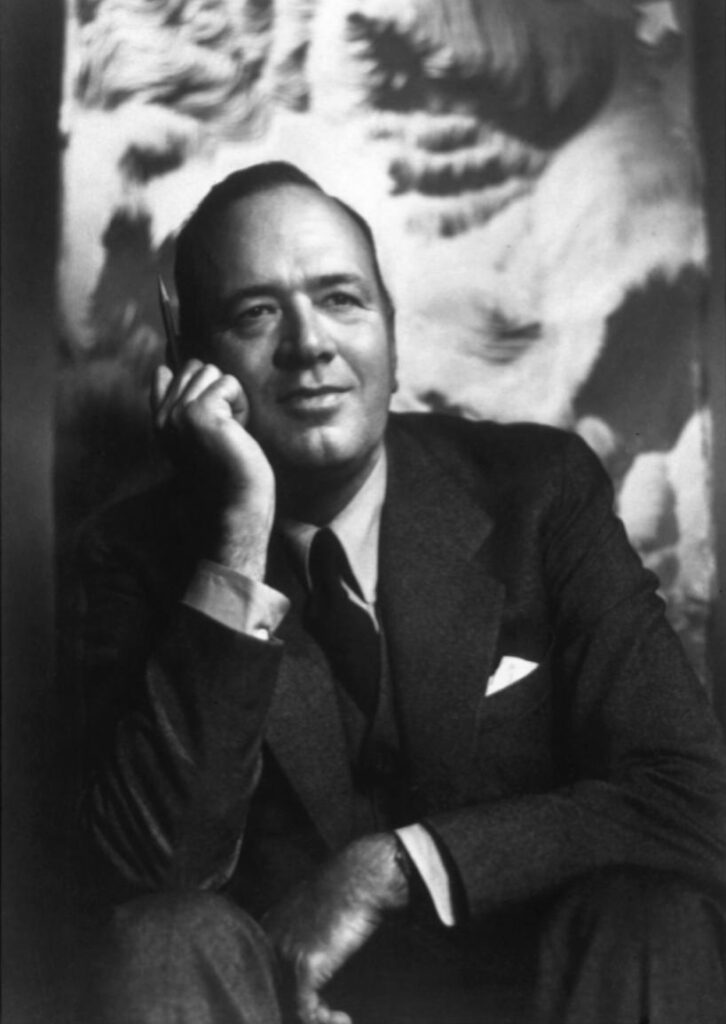
Along with Stephen Sutro, Amplified Lifestyles admires how Wurster made Modernism truly livable. His work combined practical floor plans, flexible open interiors, abundant natural light, and natural airflow — all grounded in an emphasis on comfortable domestic life. His homes were modern without feeling radical or alien. They felt natural.
Wurster helped normalize modern design for middle- and upper-class residential clients, transforming it into something people could inhabit with ease rather than simply admire. In many ways, he softened Modernism — making it more regional, humane, and environmentally responsive long before “sustainability” became a formal concept. By bridging the Arts & Crafts traditions of Bernard Maybeck and the International Modernism of architects like Richard Neutra, he created a meaningful transition between the two and influenced later environmental and contextual design movements.
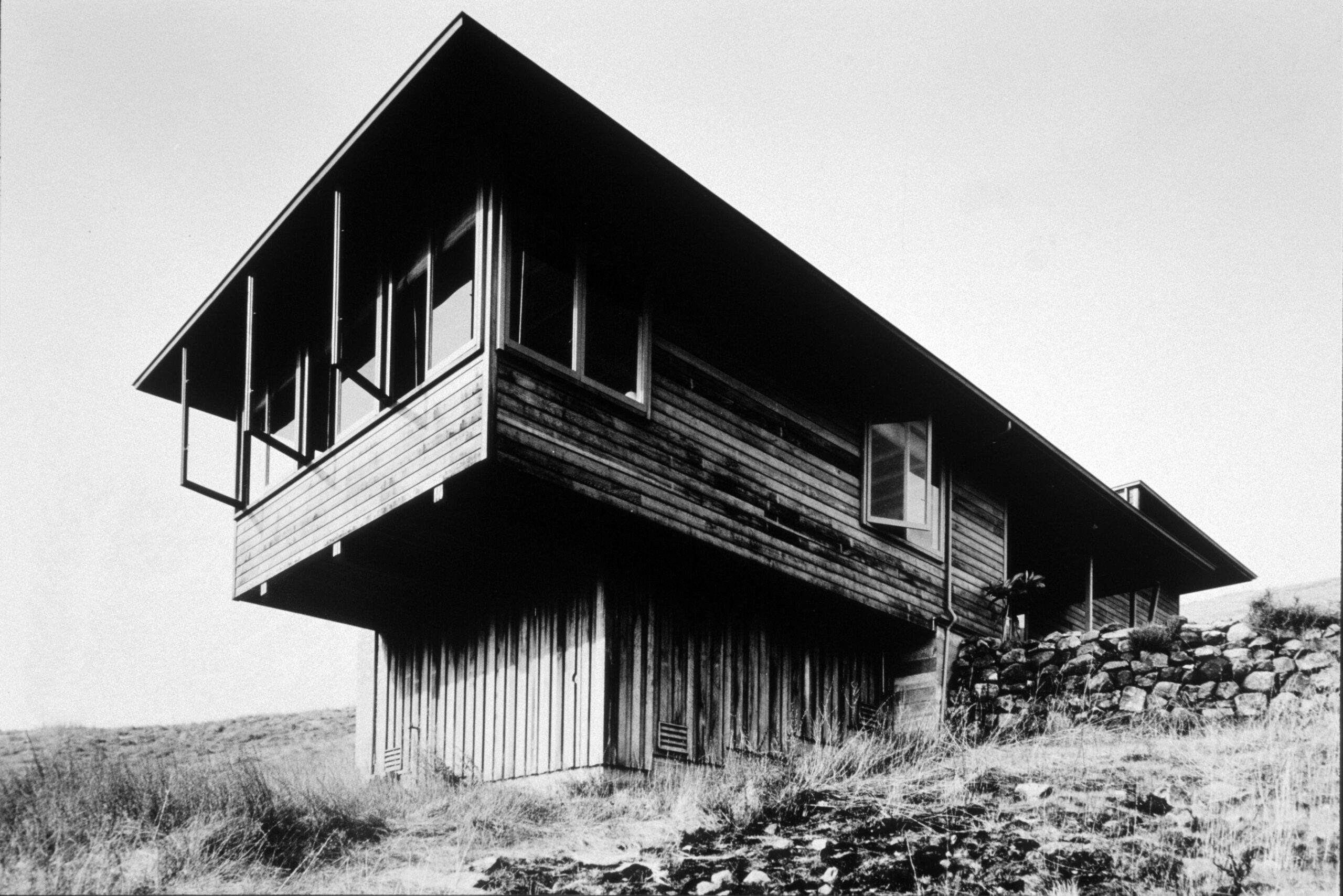
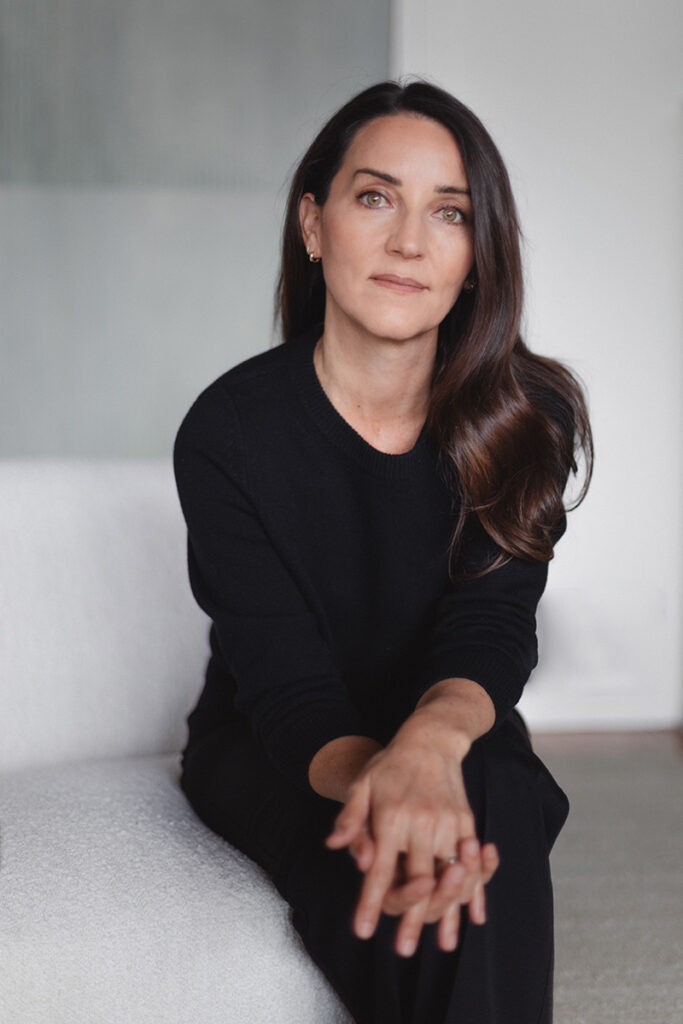
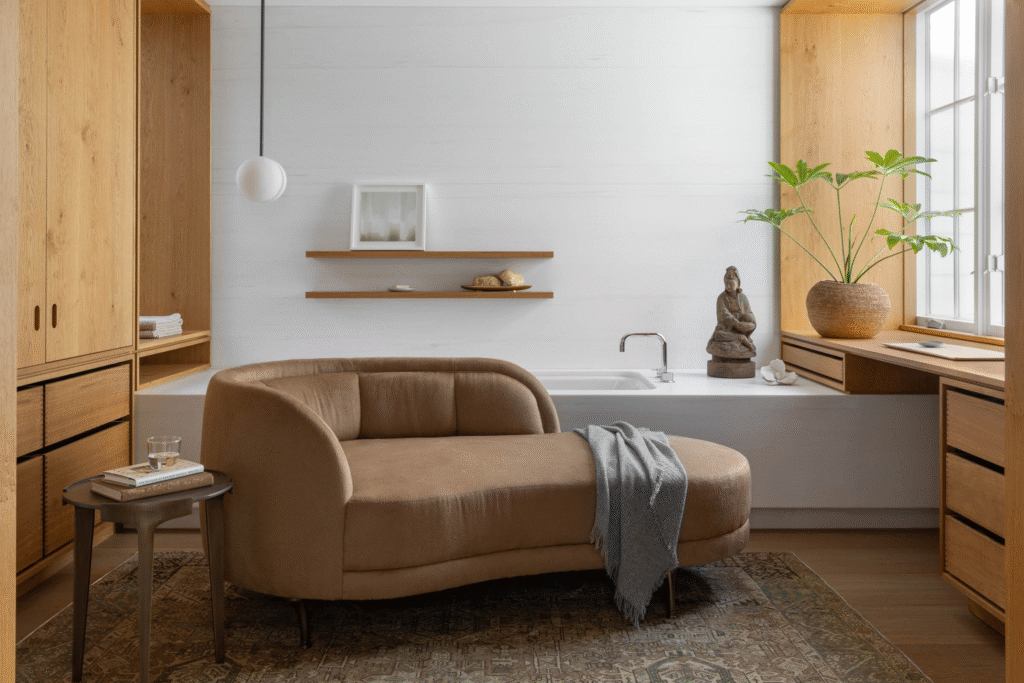
Amplified Lifestyles welcomes Bay Area interior designer Mead Quin to our Collaborator Profile series. After working for Martha Angus and Grant K. Gibson, Mead opened her eponymous company in 2013. She and her team craft poetic interiors reflecting her artistic background and a nomadic childhood that ranged from the American South to France and North Africa. Along with overseeing her studio in Emeryville, Mead’s firm hosts an annual Whiskey & Wellness event that brings together members of the design, architecture, and building communities with purveyors of food, drink, and well-being to celebrate friendship and collaboration.
AL: Before becoming a designer, you were a professional portrait painter. How has that influenced your interiors?
MQ: Portrait painting requires a deep attunement to personality. Without truly knowing the subject, who they are beyond what they look like, the portrait can fall flat and lack authenticity. The same is true in design. If we’re not paying close attention to the unique qualities of the humans we’re designing for, the homes we create can miss that essential layer… the thing that makes a house feel, unmistakably theirs.
AL: The world of portraiture is myopic, while design requires a wider gaze. Was that a transition for you?
MQ: A room is very much like a canvas in my mind. Thinking through composition, color, form, texture, and balance is similar to how I approached two-dimensional portraiture. There’s a dance between the overall composition and the finer, nitty-gritty details that bring the work to life in service of the bigger picture. Designing a room works the same way. You begin with the broad vision, but it’s the attention to detail, nuance, care, and precision that ultimately bring the dream into focus.
AL: You grew up with the traditional aesthetics of the Southeast. How have you combined that with living in the more contemporary Northwest?
MQ: I spent much of my early childhood in the Southeast, but we traveled quite a bit when I was young. My parents were missionaries, and we lived in France and North Africa for much of my childhood. Those formative experiences expanded my understanding of how people live, and how deeply place shapes what “home” means to each of us.
We also spent holidays with my grandparents in Montgomery, Alabama, the deep South, which informed my love for things that age gracefully. Their home, while old, was a layered collection of places they had traveled. They invested in furnishings that patinaed beautifully and somehow felt better with each passing year. I especially loved their antique rugs and still enjoy incorporating them into our projects when clients are open to it.
AL: As a creative, how do you incorporate home technology into your projects?
MQ: As much or as little as a client wants, but always with the intention that it recedes as much as possible (wink, wink). We’re all deeply connected to technology, whether we like it or not. Creating spaces that allow us to disengage, to give our minds and bodies a break, feels more important than ever. Our goal is for technology to quietly support wellbeing and life goals rather than dominate the experience. I say this, of course, while typing on a computer connected to the worldwide web – it’s a constant balancing act.
AL: What was the genesis of your annual Whiskey & Wellness event?
MQ: We wanted to create an event that celebrated our community while also reflecting what we care deeply about… that our work should genuinely make people’s lives better, and that design can be a powerful support for wellbeing. We also wanted it to be fun, relaxed, and a chance to truly enjoy one another’s company. Hence, the whiskey. It’s my favorite spirit, and Whiskey & Wellness had a nice ring to it. It’s become our annual love letter to a community we adore, and one of my favorite nights of the year.
AL: What is your dream project?
MQ: Anything by the ocean – my happy place. There’s something about the vastness, the calming horizon line, the salty air, and the rhythmic sound of waves that immediately soothes my nervous system. The restrained, minimalist palette of coastal environments resonates deeply with me. I can hear a seagull and feel my blood pressure drop.
AL: What are your favorite aspects of living in the culturally diverse East Bay?
MQ: The East Bay has an incredible openness – culturally, creatively, and intellectually. There’s a deep appreciation for art, craftsmanship, food, nature, and ideas, all coexisting in a very unpretentious way. I love the mix of old and new, the diversity of voices and histories, and the strong sense of community. It feels grounded and expansive at the same time, which mirrors how we aspire to live and work.
AL: When not creating beautiful homes, what are your favorite activities?
MQ: The thing that fills my cup more than anything else is unstructured, quality time with the people I love. I’m happiest when there’s nowhere else to be and nothing specific to accomplish… just being together. Lately, a lot of that joy also comes from time spent with our new puppy, Gus, who has a remarkable ability to make me slow down and be present.

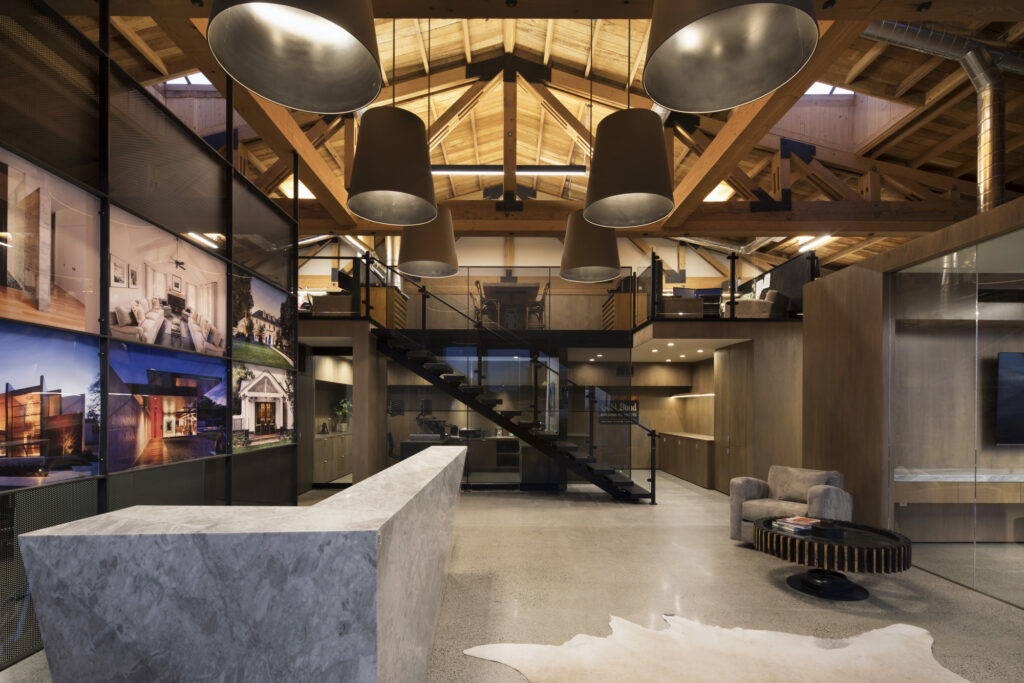
Amplified Lifestyles collaborates with the top builders in the Bay Area, who bring us on board at the beginning of a project. One of these is Lencioni Construction in San Carlos. Founded by Gary Lencioni in 1980 and specializing in custom new homes, it is now led by his son, Chad Lencioni, the second generation. Chad learned the trade from the ground up and is committed to craftsmanship, an integrated process, and transparent communication. Their projects range from an award-winning 7,000-square-foot modern masterpiece in Portola Valley to a 4,000-square-foot Georgian-style cottage in the Los Altos Hills.
AL: What was it like growing up in the building industry?
CL: My parents started the business from our home, so it was always around me. After my father graduated from San Jose State University in 1970 with a degree in aeronautical engineering, he found that there were no job opportunities in that field because the industry was facing a severe recession. He switched to construction, and my mother handled the books. My summers were spent working on sites, cleaning, setting up, and assisting. It taught me the value of hard work.
AL: What was it like leaving the Bay Area to attend college at the University of Colorado Boulder?
CL: I loved Boulder, with its natural beauty, outdoor activities, and the University. It was the right balance of academics and recreation; I hope my two sons will go there. I studied business, which I enjoyed because I’m good at math, and I thought it would be a good career choice.
AL: After college, did you go straight to work for Lencioni Construction?
CL: No, after I graduated, I went to work for Morgan Stanley in Boulder. When I returned to the Bay Area and started working at a tech company, I decided that being in an office full of cubicles was not for me. Since I loved the outdoors and landscaping, my father connected me with some landscape architects and eventually asked me to join Lencioni Construction. I learned the trade like anyone else in the company, starting as a laborer who carried materials on site, becoming a carpenter, and eventually progressing to project manager. As President and CEO, I bring those experiences to the firm.
AL: For your San Carlos office, you collaborated with Feldman Architecture. What were the origins of the industrial yet modern design?
CL: The building lent itself to a modern, sleek design, with its exposed concrete floors, wood trusses, and ceilings, which we carefully restored and refurbished. Now it’s a great place to meet with homeowners, architects, and collaborators.
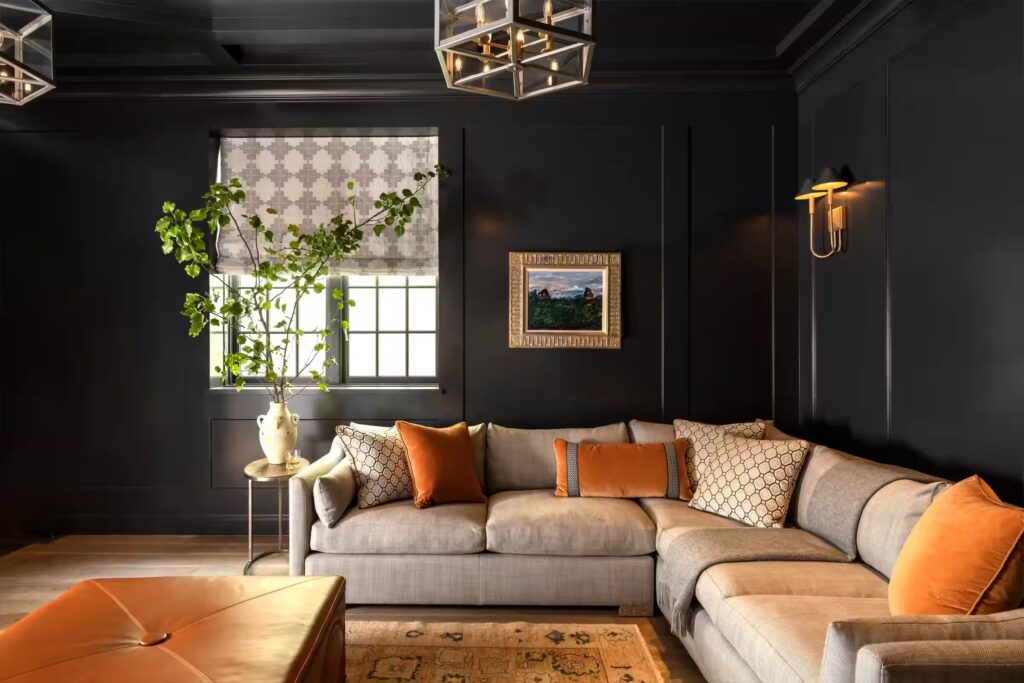
AL: Your projects vary from building a Georgian-style cottage with Skurman Architects and Tucker & Marks to a modern home by architect Robert Swatt. Do you have a favorite vernacular architecture?
CL: Yes, we build it all, and I love the creativity of working on a modern, cutting-edge design from the ground up. However, I also appreciate homes that have a sense of age and history.
AL: As a builder, how do you incorporate technology, such as home electronics, into your work?
CL: It is essential to bring a systems integrator like Amplified into the process from the beginning. When we start a residential project, we make that recommendation and introduction right away, ensuring the home automation, home theater, smart lighting, and motorized shades integrate seamlessly into the architecture and design. We appreciate Amplified’s solution-oriented approach and excellent customer service.
AL: How would you define your work in three words?
CL: I will give you four. “That was worth it.” We want the homeowner, the architect, and the other collaborators to feel like all of the hard work was worth it when the project is completed.
AL: What do you enjoy doing when you are not building?
CL: My family and I recently moved from the Peninsula to Murphys in the foothills of the Sierra Nevada mountains, where we enjoy off-road motorcycles, mountain biking, and skiing.


Amplified is proud to partner with some of the Bay Area’s most talented architects, builders, and interior designers. Among them is Field Architecture, a Palo Alto-based firm led by father-and-son team Stan and Jess Field. Their design process begins with the land itself—carefully considering the climate, topography, soil, hydrology, flora, and fauna to guide the relationship between structure and nature. We caught up with Jess to discuss Field Architecture’s philosophy and congratulate him on the release of their monograph, Conversations with the Land.
AL: Congratulations on the continued success of Field Architecture’s Conversations with the Land, what prompted your father, Stan, and you to publish it?
JF: Printing a book on paper is a special thing. It’s a timeless way of sharing ideas and telling a story. There’s something about the tactile experience of a book that slows us down and allows us to tune in a way that we might have otherwise missed.
A book about architectural work is never truly finished. The hardest part is knowing when to stop and say, this is it. Publishing the book becomes a way of marking a moment in time—a kind of anchoring. Conversations with the Land traces our journey from our beginnings in South Africa to Stan’s formative years in Lou Kahn’s Master class and provides context for a detailed look at the last decade of houses built across the California landscape where we’ve made our home.
AL: How did your father’s graduate studies under Louis I. Kahn influence Field Architecture?
JF: Stan received a scholarship to study with Kahn in Philadelphia, which was extraordinary in itself. But context matters: this was during apartheid years in South Africa, where our family is from. Suddenly, he found himself in the heart of the American civil rights movement, immersed in Kahn’s thinking about architecture rooted in making space about structure and light.
Kahn wasn’t just talking about buildings—he was talking about humanity. That encounter shaped everything. It gave my father a lens for seeing architecture not just as design but as a way of shaping how people live.
When Stan returned to South Africa and received his first commission—to design a home on the wild outskirts of Johannesburg—he couldn’t wait to bring that thinking into dialogue with the land. That spirit—of listening to all the natural forces that shape a place and designing with humility and intention—is something we’ve carried into every project since. It’s in the DNA of FIELD.
AL: Growing up with a father who is an architect, did you ever want to pursue another profession?
JF: My father had his work at home wherever we were. Books, drawings, and pencils were on every surface, and he was drawing constantly. Then there were the drawing boards, standing, adjustable drafting boards. I developed a passion for drawing at an early age and haven’t stopped since. I don’t think I ever made a definitive decision to become an architect. It was more like being drawn into a conversation that had already begun before I could name it.
There were other interests, and each gave me great pleasure—surfing, music—but architecture was always there, quietly pulling me in. I often thought of it less as a career but as a way of seeing. Watching my dad work and listening to how he spoke about buildings and land was less about forms and more about questions—about how we live and engage with the world around us. Giving that shape comes with great responsibility, and I’ve never imagined anything more exciting.

AL: Your architecture pierces the veil between the built and natural worlds; how do you accomplish that?
JF: I spent my childhood surrounded by nature and wildlife and have always revered the natural world. At our highest capacity, I see us as part of nature. How we make our homes fit into their natural surroundings is imperative for building a more symbiotic relationship with our environment, and it also affects how well we live.
Field starts with gaining a deep understanding of the places we design in. I’ve found that there are no shortcuts. We spend time on the land. We study it and map every aspect of it. We also walk it and spend time understanding the terrain, how the light moves, how the winds shift, how the ecology adapts to the changing seasons, and where the water goes after rain. We’re not looking to place a building on a site but to discover what’s already there and what’s waiting to be revealed.
Architecture, at its best, doesn’t impose. It enters into a relationship with the topography, ecology, and the stories embedded in the soil. We think of our work not as structures but as continuations of the landscape—something that feels inevitable, that couldn’t be anywhere else. When it’s right, it can be felt instantly.
AL: How do the topographies of South Africa and Northern California compare?
JF: They’re both landscapes of extremes—raw, powerful, varied—but in different ways.
South Africa holds this vast, elemental beauty. It’s rugged, open, and dramatic. The great escarpment forms a topographical plateau, which creates a vertical divide, and the unique ecological biomes follow.
Northern California has a similar rugged quality along the coast and is softer as we cross into the coastal ranges. Both have Mediterranean climates, but California also has a diversity of desert and highland climates. What they share is a certain wildness and incredible beauty.
Both places ask for attention. Both demand that we adapt to them, not the other way around. That’s where the work begins.
AL: Why do you still draw by hand?
JF: I sometimes think of drawing as my first language.
Technology is central to how we work, and we’re constantly pushing the envelope of how we can use it, design, and understand more precisely how the materials that make up a building are put together. Yet, drawing by hand is still always there. Drawing has a certain immediacy to it. A directness between the brain and the pencil—between the feeling and the form—is hard to replicate. We often design together, in conversation, and the sketches become guiding parts of the conversation. It’s not about nostalgia. It’s about exploration and discovery. We use digital tools obsessively to refine, to test, to build. But the origin—the soul of the project—usually starts with a line on paper.
AL: Who is your favorite architect, past or present?
JF: It’s hard to name just one. I carry different architects with me at various times, and many architects are doing great work.
Of course, Kahn is always there, and there’s Neutra and others. But honestly, it’s often not the famous names that stay with me. It might be a stone wall built by hand several hundred years ago or a simple farmhouse perfectly sited in a working field. Sometimes, the best architecture doesn’t announce itself. It just feels right.
AL: How do you incorporate technology into your designs?
JF: Some homes need just a few well-placed lighting controls, subtly enhancing what the architecture is already doing. Others—where the experience of light and sound needs to unfold in layers—require a more integrated approach. In those cases, we design systems that extend the site’s natural rhythms, using technology that aligns with its circadian logic.
But the goal isn’t to be high-tech. The goal is to be in tune—with the land, the family who will live there, and the purpose of each space. When technology supports that vision, we treat it like any other building material: essential, intentional, and thoughtfully integrated into the place’s experience.
Ultimately, it’s about clarity—a kind of simplicity that allows us to fully engage with the space through all our senses and feel deeply connected to the natural world.


This Spring Break, Amplified and some of their collaborators made a pilgrimage to Scottsdale and Frank Lloyd Wright’s Taliesin West. Lutron invited them to see their innovative installation of Ketra’s lighting system. Wright, a pivotal 20th-century architect, built Taliesin West as his winter camp in 1937. The Desert Studio educated students through apprenticeship and hands-on learning. Located in the foothills of the McDowell Mountains, Wright blended organic architecture seamlessly with the topography, utilizing desert masonry and geometric forms, giving the structures a prehistoric grandeur. Negative space, natural light, and a reflecting pool further pierce the veil between the interior and exterior worlds.

Lutron was honored to work on the UNESCO World Heritage site and National Historic landmark. They faced the challenge of replicating “lantern-lit” light, Wright’s vision, which he achieved through natural light, firelight, and low-wattage incandescents that echoed the spectrum of the desert landscape. Ketra was the perfect solution to deliver a consistent quality of color-matched light. The Frank Lloyd Wright Foundation also required that the installation not damage or alter the existing buildings or wiring infrastructure; they could not drill into the stone walls and the fragile vintage light fixtures needed special handling.

Ketra’s wireless technology preserved Wright’s masterpiece for future generations to learn from while improving the visitor experience. The system provides high-quality light that is flexible and adjustable, allowing for bespoke settings that gradually shift in color, temperature, and intensity to mimic the sun, making interiors feel seamlessly bathed in natural light. As Wright envisioned, Taliesin West’s organic architecture sits easily on the land, and Ketra illuminates its nuances. The Amplified team and their guests enjoyed seeing Lutron’s restoration of the World Heritage site firsthand and the replication of Wright’s “lantern-lit” light.


Amplified Lifestyles’ smart home projects range from historic mansions in Pacific Heights to a tropical oasis in the British Virgin Islands. The results can appear magical because these systems integrate elegantly into the design. If you peek behind the curtain, a team of outstanding Amplified technicians installs and maintains the systems while providing technical support. One of the team members is Senior Production Field Specialist Jorge Flores Jr. Jorge learned his craft from his father, Jorge Sr., who also works for Amplified. With the recent birth of his son Jorgie III, there may be a third generation.
AL: What drew you into the world of home technology?
JF, Jr: I followed in my father’s footsteps right out of high school. During my summer breaks in high school, I would go to work with him, and I fell in love with the tech industry. My father is also a part of the Amplified Lifestyle family. He has helped develop a strong work ethic that I follow today, from pulling wires to installing TVs to building racks. He was/is my role model.
AL: What’s your favorite aspect about being a part of the Amplified Lifestyles team?
JF, Jr: The effort and time that Amplified takes to ensure their employees feel welcomed, heard, and understood. I believe it plays a massive role in providing great results. It feels as if I have an extension of my family. It’s a pleasure to be a part of what makes this company so successful.
AL: Who is your ideal client?
JF, Jr: My ideal client is a person or family open to creativity, knows what they want, and has a vision of the result.
AL: Favorite app?
JF, Jr: It’s hard to just choose one. I have two. Savant and Crestron are my two favorite apps. Savant is great because you can go from project to project, and the app layout and functionality will never change, which is something I love. But I like Crestron because it is fully customizable, from the layout of the main page to the button layout to the background color. It would be a one-of-a-kind build, which I also like.

AL: What have been some of your most challenging projects you have worked on?
JF, Jr: Some of the most challenging projects I have worked on have been projects that we tackle remotely, from projects in Malibu to projects in Lake Tahoe. Working in a remote environment away from the resources of a warehouse or the capacity to have extra help on the fly has been the most difficult. However, the jobs themselves have been some of Amplified’s biggest ones.
AL: What’s something you’re proud of?
JF, Jr: I am proud of the family I have built. I have come very far in this industry. Being able to provide mentorship and being a person of contact for guidance is a gratifying part of my life in which I take pride.
AL: Who are the special people in your life?
JF, Jr: My wife, Karina, and my baby boy, Jorgie III, my wife is my most significant support and greatest cheerleader. She’s my lifeline; my job is not easy, and she keeps me grounded.
AL: When you are not installing systems, what do you enjoy doing?
JF, Jr: When I’m not working, I’m out on the lake fishing or in the duck blind doing what I love.
AL: What is your favorite place in the world?
JF, Jr: Anywhere I get to be with my family. We love being outdoors. You will usually find us fishing in a lake or ocean.
AL: If you were not in home technology, what would you do?
JF, Jr: My childhood dream was to become a Marine Biologist. I love nature, I love the water, and I like being outdoors.


Amplified Lifestyles is fortunate to collaborate with many elite industry partners on their projects. One of these is the lighting designer Eric Johnson of EJA Lighting Design. Lighting was Eric’s destiny as his father, Merlin Johnson, invented, developed, and manufactured an optical lighting framing projector in 1969 for fine art. Today, EJA Lighting Design’s portfolio ranges from a fanciful Victorian-styled Sonoma Valley Lake House designed by Ken Fulk to EYRC Architects’ award-winning modernist home in Palo Alto. Amplified Lifestyles worked on both projects, and the two teams blended aesthetics with technology while focusing on the client experience.
AL: Your lighting legacy extends beyond your father, Merlin Johnson, to his mentor, Rudolf Wendel. Did you always want to be a lighting designer?
EJ: I started working in my father’s business in high school, so I was interested in the lighting and electrical world from the start. At the time, I wasn’t sure where it would lead, but over the years, it was clear that lighting design was where I wanted to go.
AL: With your origin story starting in art lighting, what are your thoughts on Ketra’s abilities to illuminate art and residences?
EJ: Ketra has elevated the LED color and control options beyond what has been done in the past. It can be an excellent tool for art lighting to enhance all types of art, but the lighting also needs to be designed by a true lighting professional for the best outcome.
AL: What have been the most significant changes in lighting design over the last forty years?
EJ: The big ones are energy codes (i.e., Title 24), lighting product technologies (i.e., halogen, fluorescent, LED), and lighting controls. Lighting design has become a highly technical field that requires constant product knowledge updates and very detailed integration into the architecture. Also, project teams are much larger, which requires a higher level of collaboration in terms of frequency, efficiency, and setting expectations.
AL: How do you balance the artistry of lighting with technology?
EJ: There are a lot more tools to work with than in the past, which opens up more opportunities to create the design you are after. Architecture and interiors have also gotten more diverse, so there is also more opportunity to be creative with lighting. From my perspective, it is important to keep in mind that even though there are many new lighting solutions, try to be thoughtful and not to overdo it (bling).

AL: How does the lighting designer coordinate with the architect, interior designer, builder, and systems integrator?
EJ: We take the team approach very seriously to achieve the best outcome. Each design/construction discipline requires intentional effort to get to know the teams and understand how to best merge all the information to achieve the desired result. Ongoing relationships are beneficial in strengthening the team and the process. We are very fortunate to have had so many great collaborators to work with over the many years.
AL: What questions do you ask the homeowner to determine how they want to live with lighting?
EJ: There are many questions to ask at the beginning of the process. The first question is, what knowledge do they have about lighting and controls, and what have their experiences been like in the past, good or bad? We then dive deep into all aspects of lighting and controls to gather as much information about their intent as possible before starting the process. The more experience you have with different clients, the better you become at obtaining the information you need.
AL: What was your favorite job?
EJ: It is hard to come up with just one, but one of my first major residential projects was with Ricardo Legorreta, who was one of the top architects in the world at the time. The owner had confidence in me and said that I would be taking over the lighting design. It was an amazing experience all around, and it didn’t hurt that they had a world-class art collection.
AL: Where do you see lighting design going in the next decade?
EJ: LED technology and lighting control will continue to improve, but they will also become more technical. Energy codes and dark sky compliance will continue to have a big impact on all aspects of design. AI is starting to impact certain levels of design, and I assume that will continue in the future for all aspects of design.


We think of Lutron Electronics as a technology-driven company, but its co-founder, Joel Spira, was equally fascinated by aesthetics and how light affected mood. In 1959, the young physicist worked from a spare bedroom in his Manhattan apartment and developed the solid-state dimmer. He called his invention Capri and aimed his marketing efforts toward women, not electricians. Spira repurposed the original elegant gold package displaying the Lutron logo and verbiage from an overrun of perfume boxes. With a turn of the Capri knob, the homeowner could light up, mimicking bright sunlight, or light down to imitate the flicker of romantic candlelight.

The idea was radical then; residential lighting control didn’t exist. It was limited to theaters and stage lighting because it required expensive, bulky rheostats that wasted energy and were challenging to install. Lutron’s family of offerings grew, and from their Pennsylvania headquarters, Spira developed a litany of lighting controls that integrated into a home’s design, providing functionality while highlighting architectural details.
In 1971, he introduced Nova, the first linear slide dimmer. In 1989, Lutron followed this with RanaX, the first infrared remote control dimmer. The next evolution was the 1990 NeTwork, the first whole-home lighting control system. Later, network-style dimming products ensued, including the customizable GRAFIK Eye in 1993 and the RadioRA in 1997, which operated wirelessly using radio frequencies. In the late ’90s, Lutron added HomeWorks, which became the industry standard for residential lighting control. With the addition of automated shades, the company controlled solar lighting and electricity.

Lutron was always a family business; Sprira co-founded the company with his wife, Ruth Rodale Spira. Mrs. Spira handled Lutron’s marketing efforts, including the “dial-up romance” ad campaigns for the Capri. The company expanded its offerings to encompass window shading systems and energy-conscious devices. But Spira was always remembered for pioneering the dimmer. When he passed away in 2015, his New York Times obituary stated he “changed the ambiance of homes around the world and encouraged romantic seductions of all types.” His wife died in 2019.
Today, Spira’s daughter, Susan Hakkarainen, is Chairman and CEO of Lutron Electronics. She started as an engineer with a BS and MS in Electrical Engineering from Cornell University and a PhD in Applied Plasma Physics from MIT. She soon went on to international assignments and more senior roles. Sharing her mother’s aptitude for marketing, she became CMO. As Chairman and CEO, Hakkarainen continues Lutron’s commitment to world-class quality and service standards and promotes its position as the leader in smart lighting and shading control solutions. Her philanthropic endeavors include serving as a Trustee of the Asia Society, on the Advisory Board of The Wolfsonian–FIU, and as a former Trustee of Pratt Institute.
Accessibility Tools